Namib Desert Live Stream
About the Namib Desert Live Cam
NamibiaCam's Namib Desert waterhole lies within the Gondwana Namib Park, bordering the Namib Naukluft Park. Built in 2006, the special character of this waterhole has not only an impact on the surrounding wildlife but stretches across the globe, from home to home through live streaming.
The waterhole is situated within an open plain, 60 km north of Sesriem to the Namib Desert Lodge water hole in the Gondwana Namib Park just north of Namib Desert Lodge. A solar-powered borehole fills a nearby reservoir and is monitored by a water float that opens as the waterhole's levels decline. Being situated within a remote destination like the Namib Desert, intermittent interruptions are likely to occur at times.
Animals in the area
While the Namib Desert is arid and water is scarce, many animals have successfully adapted to live and thrive in this climate. Within the Namib Sand Sea habitats and micro-environments, visitors may find:
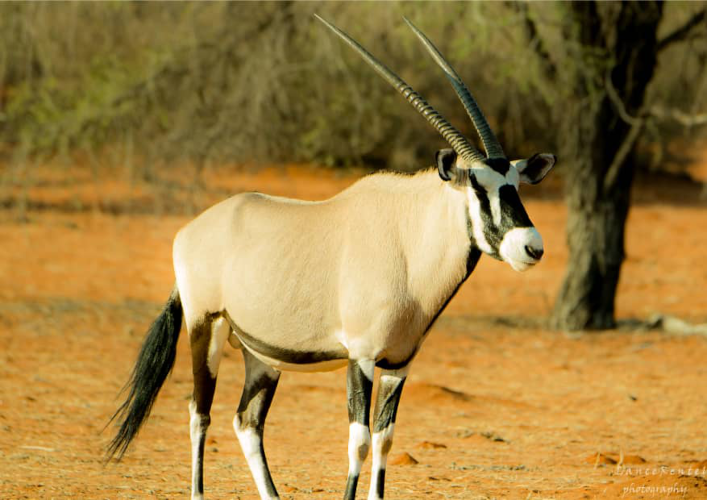
Gemsbok/Oryx
Gemsbok (Oryx gazella) is the common name for the most well known and largest of the three oryx species.
learn more →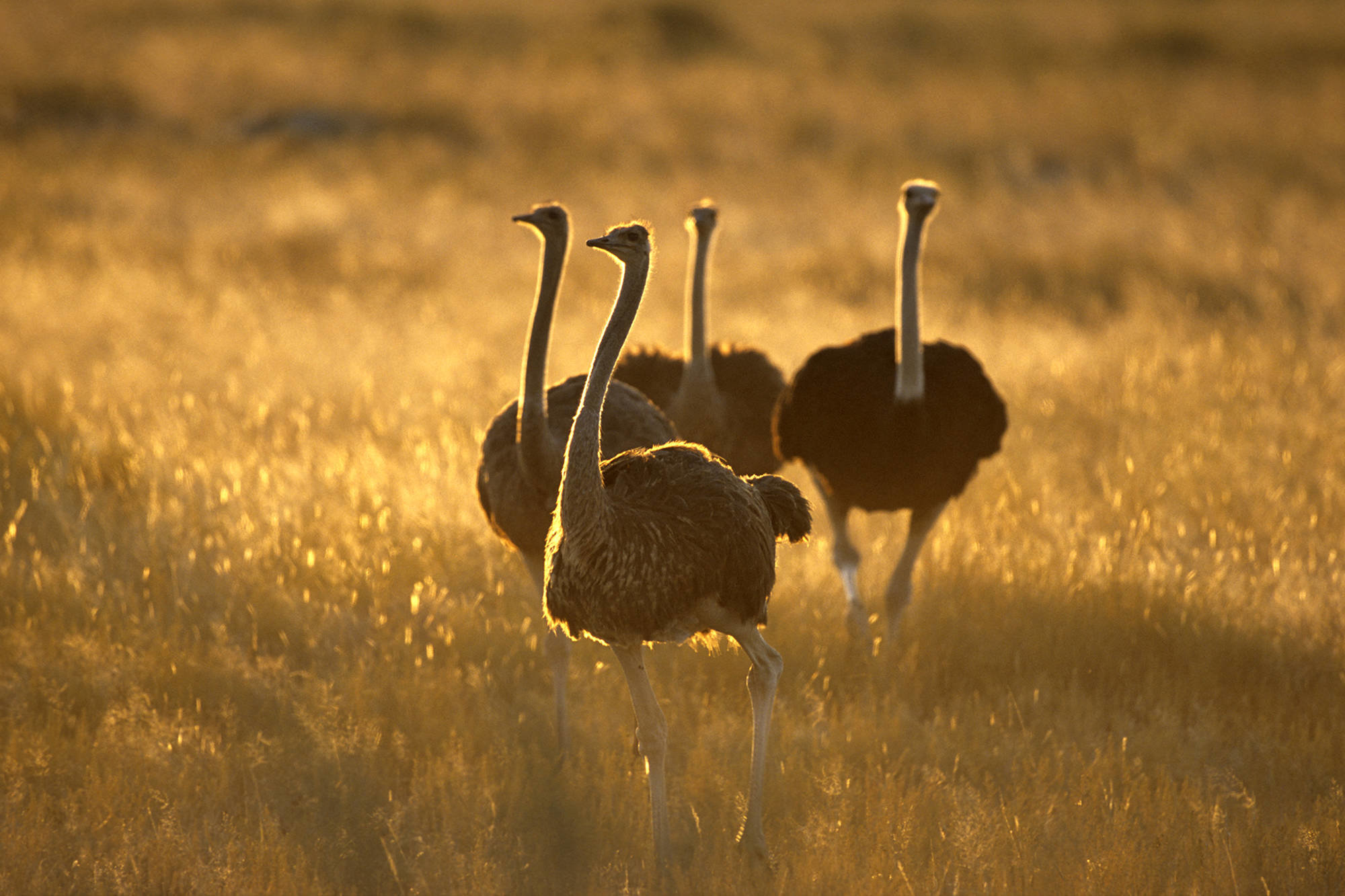
Ostrich
The 2.7-metre-tall flightless ostrich (Struthio camelus) is the largest bird in the world and occurs naturally across the savannahs and deserts of Africa.
Read more →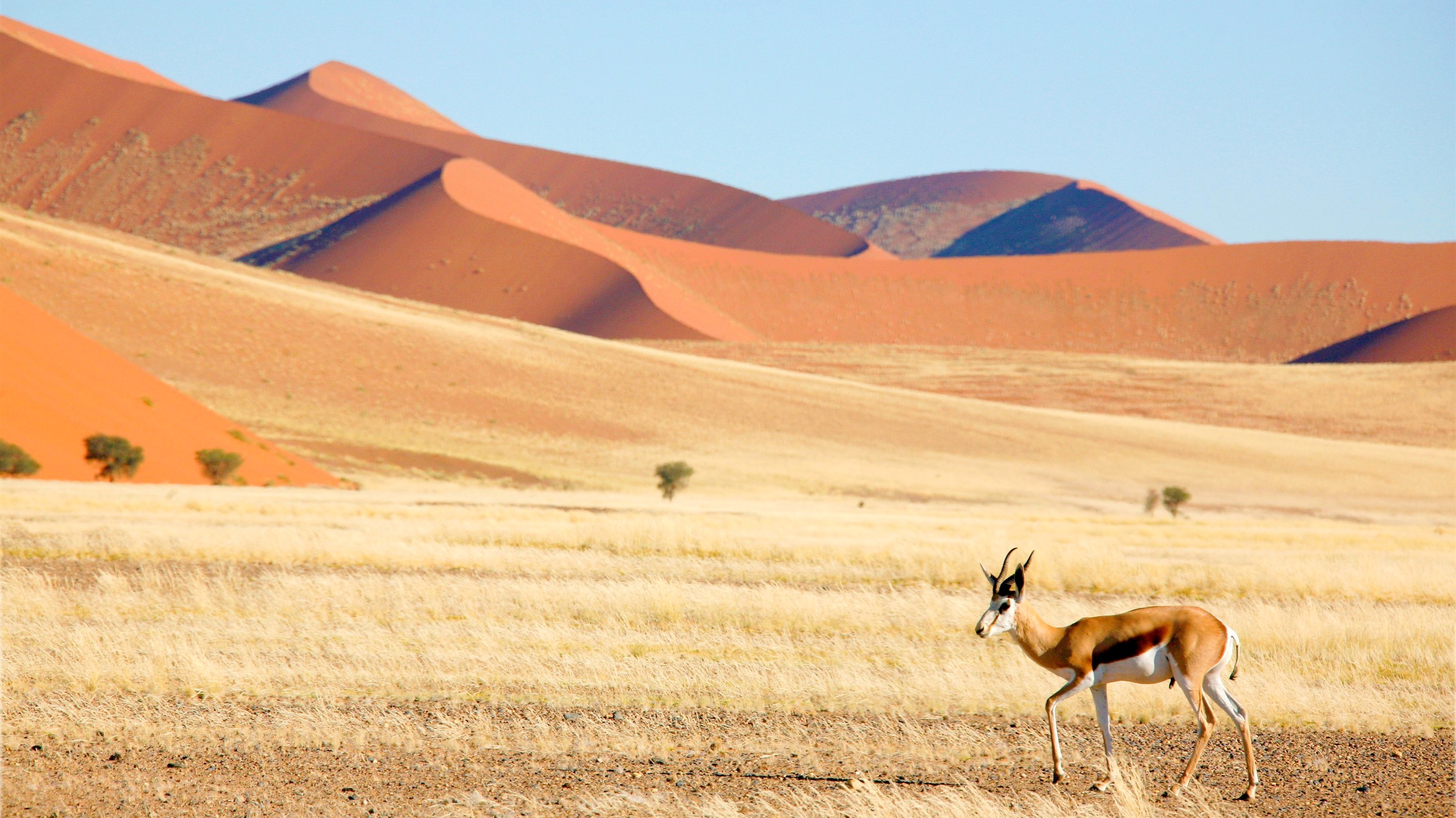
Springbok
The Springbok (Antidorcas marsupialis) can reach a top speed of up to 88km/h, putting it on the list of the ten fastest land animals.
Read more →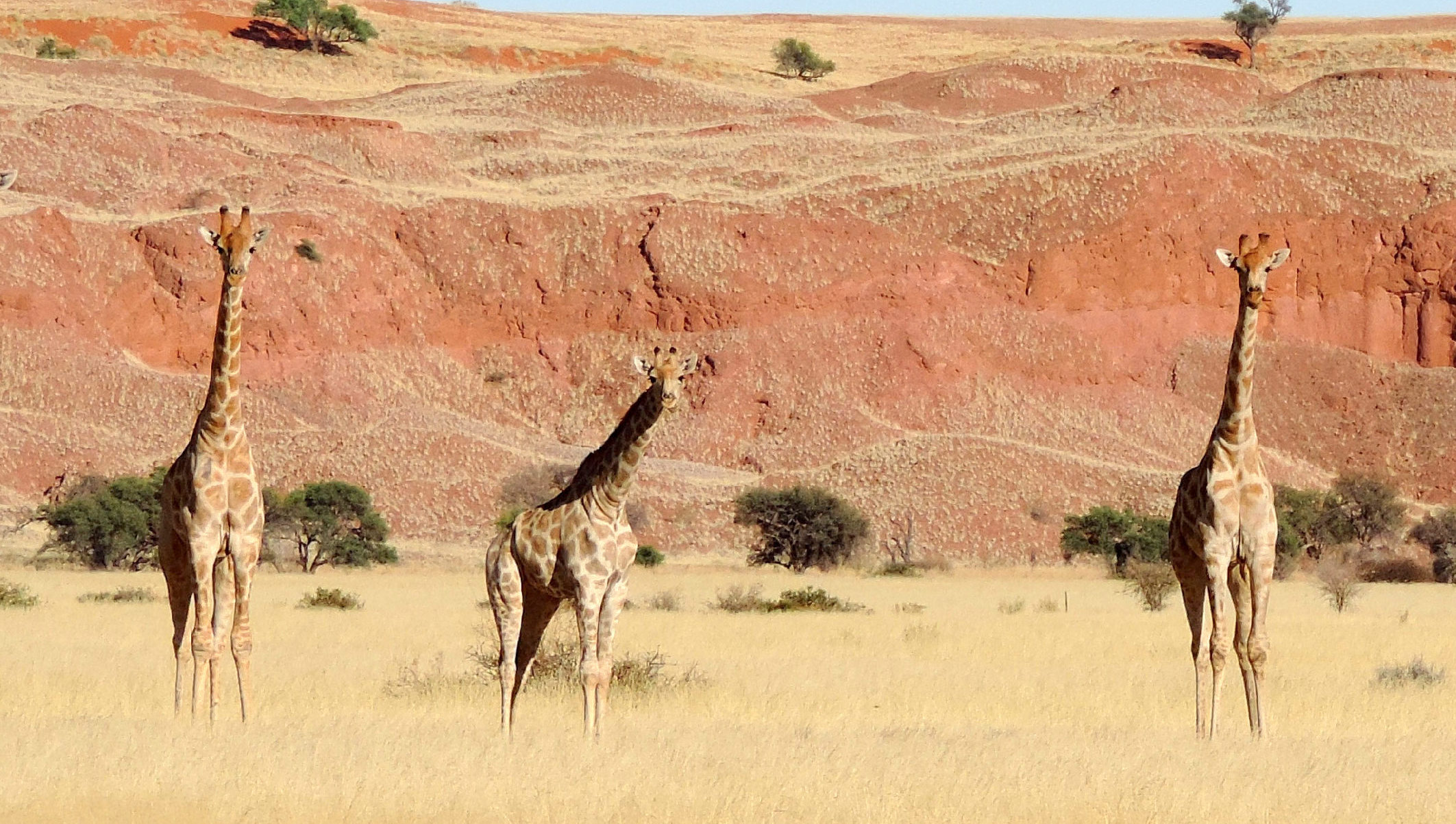
Giraffe
Being the world's tallest animal, one cannot mistakenly a Giraffe (Giraffe). Standing at up to 6 meters tall, these long-legged beauties are a sight to behold.
Read more →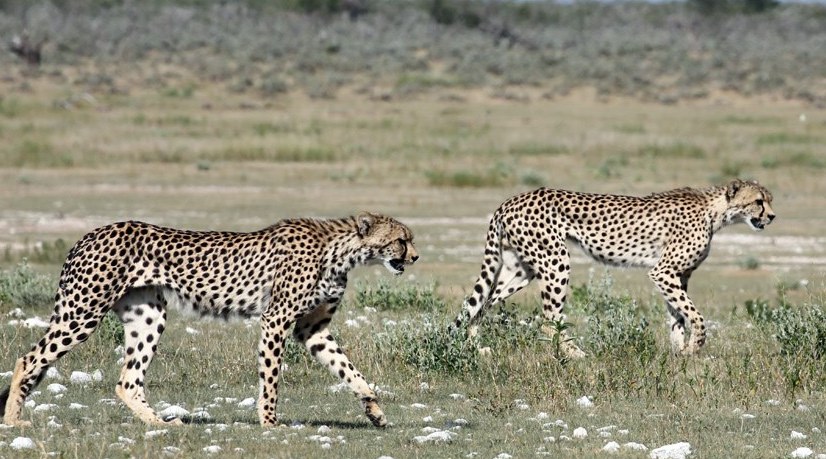
Cheetah
The cheetah (Acinonyx jubatus) is superbly built for speed. Its slim, aerodynamic body, long legs and elongated tail allow it to reach speeds of up to 120 km/h, making it the fastest land animal.
Read more →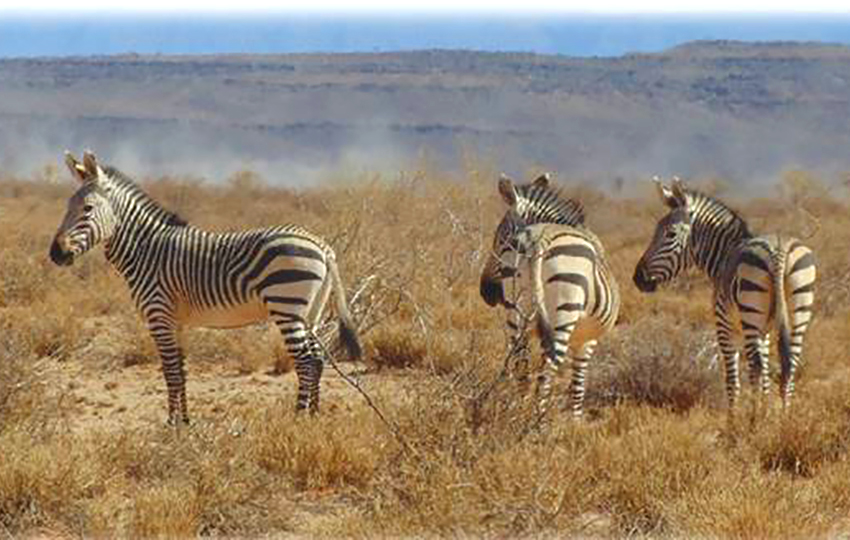
Mountain Zebra
With its striking black-and-white stripes, the zebra (Equus zebra) is one of the most instantly recognisable animals on Earth.
Read more →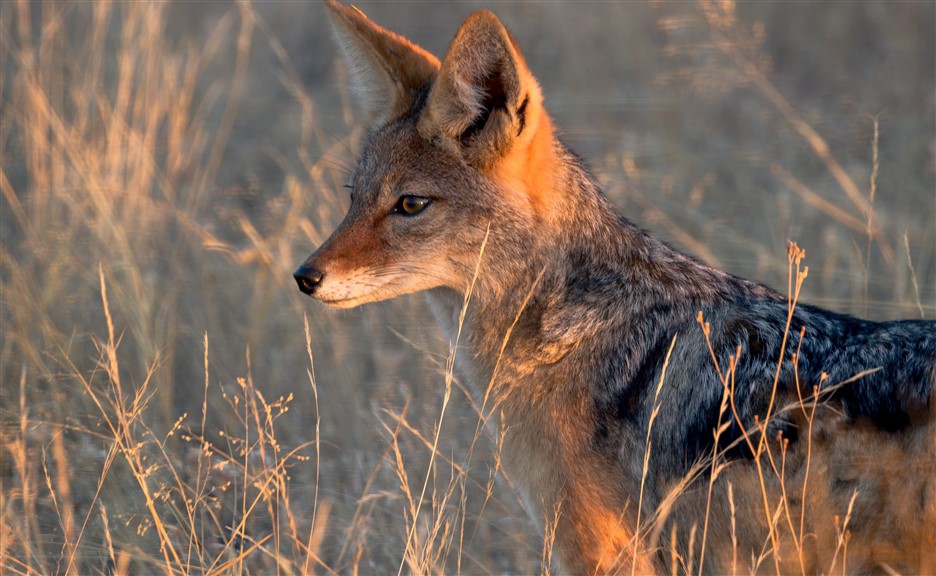
Black-backed Jackal
The Black-backed Jackal (Canis mesomelas) is a medium-sized, dog-like predator known for its distinctive coat. Its black fur, flecked with white, forms a “saddle” pattern that is broad across the neck and shoulders and tapers toward the tail.
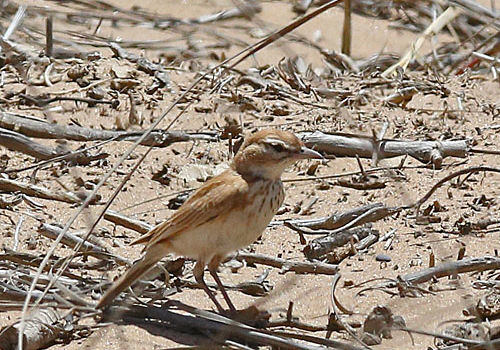
Dune Lark
The Dune Lark (Calendulauda erythrochlamys) is a medium-sized bird uniquely adapted to the Namib Desert. Its sandy, rufous-colored upperparts and wing covers blend seamlessly with the desert environment, while its brown tail, white underparts, and unmarked face complete its subtle plumage. Endemic to this arid region, the Dune Lark can be observed year-round, with pairs often remaining close together.
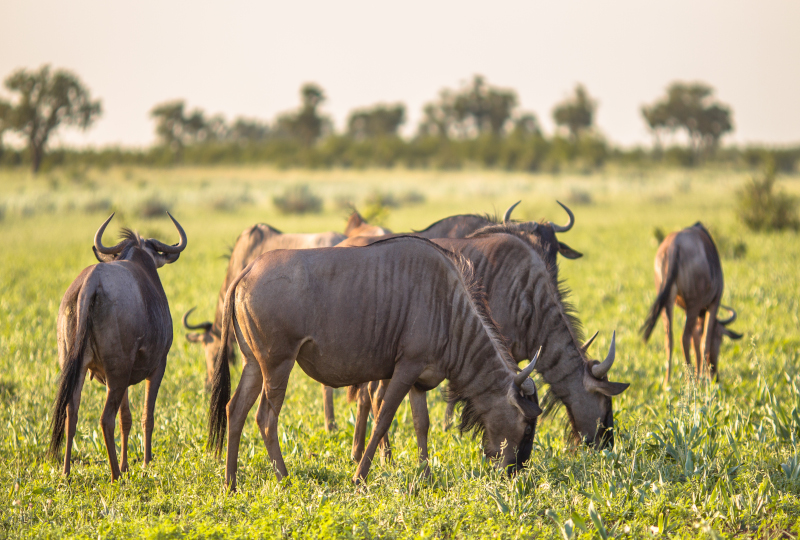
Gnu / Blue Wildebeest
The Blue Wildebeest (Connochaetes taurinus) is one of only two wildebeest species. Standing about 1.4 meters at the shoulder and measuring up to 2.4 meters from head to tail, this robust antelope weighs around 200 kg. Both males and females sport curved horns, while its striking grey coat is complemented by a black mane and a distinctive black beard.
Accommodation in Gondwana Namib Park
A place to rest, a place to wonder
An oasis for heart and soul where the only sound is the whispering wind. On the dunes. In the desert. Beneath a vast, star-strewn sky. Feet dipping into the cool water of the pool, a glass of wine in hand, and your mind filled with the memories of an extraordinary day
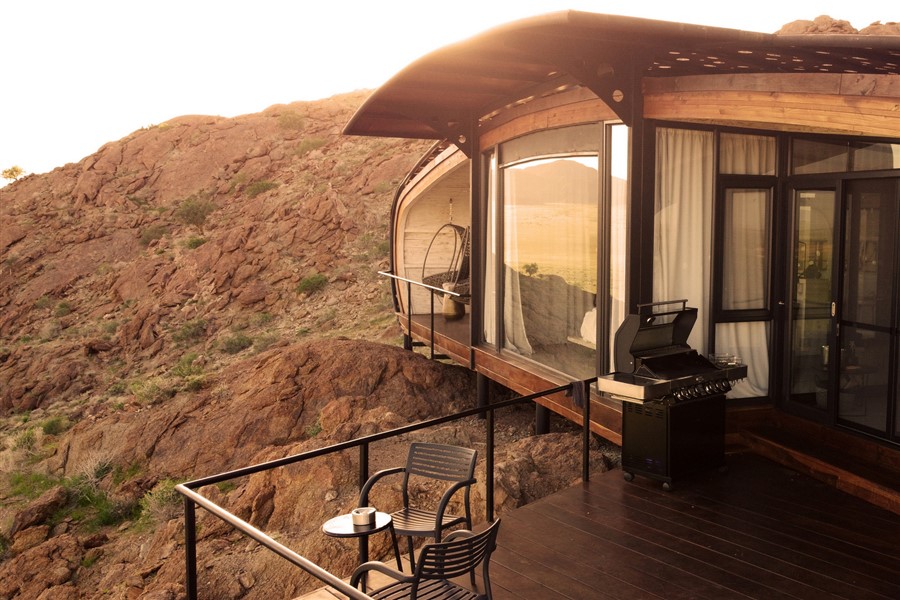
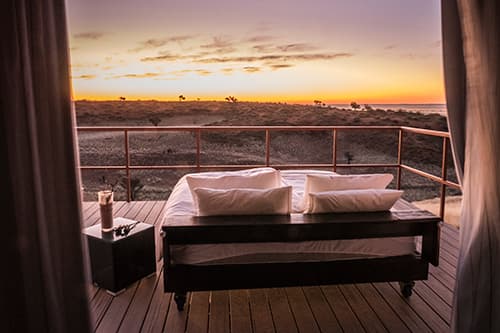
At Gondwana Namib Park, each accommodation experience offers a chance to pause, reflect, and reconnect with yourself and the desert. Choose between the Namib Dune Star Camp places you beneath a canopy of stars, Desert Whisper offers the luxury of solitude, a private retreat in the sweeping sandy sea
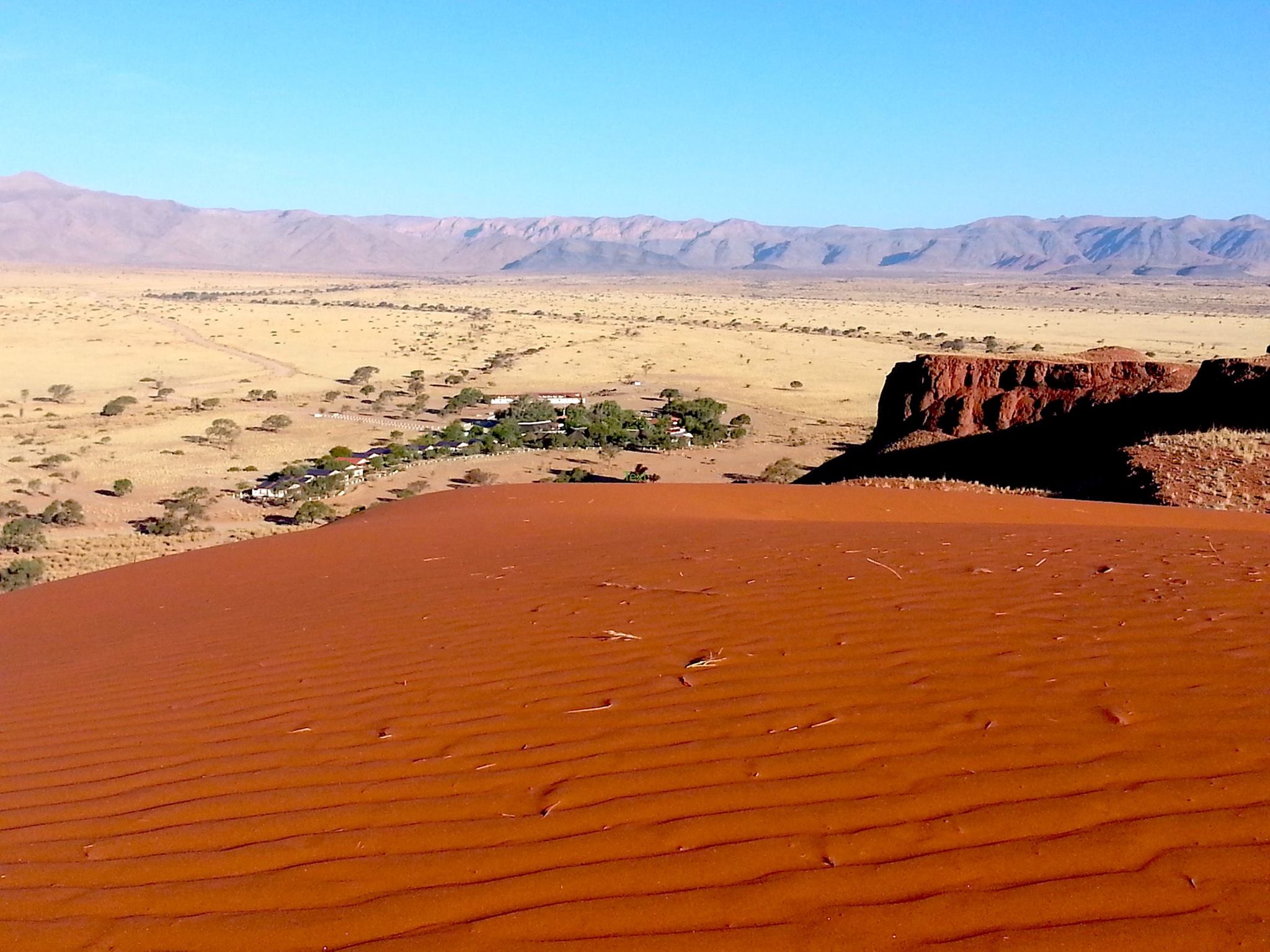
For elegance grounded in nature, the Namib Desert Lodge sits at the foot of ancient, petrified dunes. For those seeking even closer contact with the landscape, Namib Desert Camping2Go (self-catering) or the Namib Desert Campsite provide simple, immersive experiences under the open sky.
.jpg)
The Gondwana Namib Park
The Gondwana Namib Park was established in 2004, when Gondwana Collection Namibia acquired a local guest-farm. Over the years, additional land was purchased and fences were systematically removed – including those between neighbouring farms and the bordering Namib-Naukluft Park.
Read more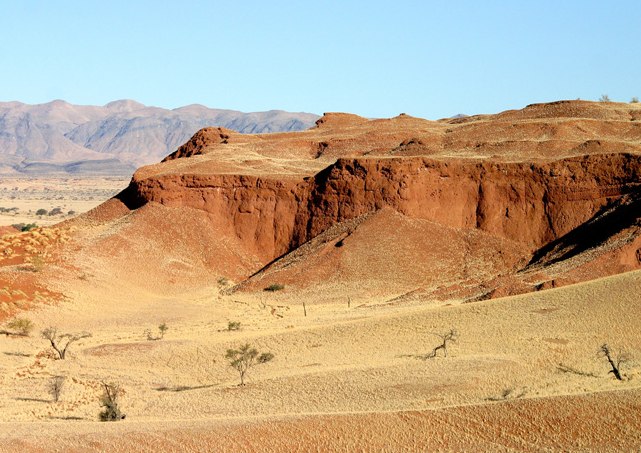
Sustainability Efforts
The Gondwana Namib Park safeguards one of the world’s most sensitive desert ecosystems through a model that unites conservation and responsible tourism. Revenue generated from environmentally conscious hospitality flows directly back into nature protection, ensuring that conservation efforts are financially sustainable in the long term.
Read moreFrequently Asked Question
There is grass, trees and bushes within one kilometer radius of the waterhole which currently provides sufficient food for the animals.
There have been sightings of the following:
Spotted hyena (Crocuta crocuta)
Cheetah (Acinonyx jubatus)
Leopard (Panthera pardus)
Black-backed Jackal (Canis mesomelas)
Bat-eared fox ( Otocyon megalotis)
Cape fox (Vulpes chama)
Small spotted Genet (Genetta genetta)
The animals are licking a salt block, provided by the park rangers. Salt blocks are natural deposits of essential minerals that animals, especially herbivores, use to supplement their diets. They provide key nutrients such as calcium, magnesium, sodium, and zinc, helping wildlife maintain health and vitality in their often mineral-scarce habitats.
The waterhole is situated within the privately owned Gondwana Namib Park, located in the ancient Namib Desert, one of the oldest deserts in the world, primarily spanning Namibia in Southern Africa.
In this private reserve, all man-made fences have been removed, creating an expansive area of over 56,540 square kilometres (21,830 sq mi). This open landscape supports ecotourism, the only sustainable land-use model that allows wildlife and vegetation to recover while preserving the natural environment. Wildlife roams freely across Gondwana Namib Park, moving seamlessly between neighboring Namib-Naukluft National Park and surrounding privately owned guest farms.
A pipe supplies the waterhole from a nearby reservoir, with a float valve regulating the flow. As the water level drops with increased wildlife activity, the system automatically refills the waterhole when fewer animals are present.
While animals can also drink directly from the reservoir located about 150 meters behind the camera, they generally prefer the waterhole. Another waterhole is situated 8 km to the south, near the Namib Desert Lodge.
In response to the declining availability of natural water sources for wildlife, this artificial waterhole was constructed in 2006, following the transformation of the farm into a nature reserve by Gondwana Collection Namibia. At that time, game species that were once indigenous to the area were also reintroduced.
The waterhole was reconstructed in June 2021, featuring a central round “rock” to reduce evaporation and provide a perch for birds. Water is supplied from a reservoir located 150 metres to the north-east, filled by a solar-powered pump drawing groundwater from a 100-metre (300 ft) deep borehole. A float valve regulates the flow to the waterhole, ensuring it refills automatically as levels fluctuate with wildlife activity.
Namibia Cam Merch
We are unique. We are passionate. We are Namibian. Most importantly we are Gondwana.